No published study has compared the four-component blend against the three-component blend as a unit. It is not intended for human consumption, clinical use, or veterinary use, and no medical claims are made about it. That belongs in the methods section of any work using this material — not discovered during peer review. The four components ghk-cu.com do not carry comparable evidence — and a protocol that weights them equally is mis-weighting three of its four arms. In tendon models this shows up as accelerated fibroblast migration into the wound bed and improved collagen fibre alignment, and fibre alignment matters as much as fibre quantity for tensile strength recovery. This is why GHK and GHK-Cu are not interchangeable in a protocol — and why the free tripeptide carries a different CAS number.
At Molecular Solutions Peptides, our dedication lies in supplying exclusively research-grade compounds, supported by comprehensive independent evaluations and attentive customer assistance. With a rigorous target of over 99.5% purity for each batch, Molecular Solutions Peptides ensures the molecular consistency essential for reproducible results in the laboratory. The reliability of sourcing Klow and Glow peptides is influenced by minor variations in synthesis precision and quality oversight. Peptides should solely be utilized in line with designated research purposes; using them outside laboratory procedures is not recommended. These products are not meant for human consumption (nor are they intended for use as cosmetics), food additives, chemicals, or medications.
This does not invalidate the existing component literature — which delineates the extent to which conclusions can be drawn. Furthermore, the attribution gap previously mentioned arises since a mixture of four components cannot specify which sequence caused a particular result. For subjective endpoints like histology evaluation and wound measurement, the blinding of outcome scoring is crucial, as unmasked assessments tend to exaggerate effect size. The handling materials related to this topic can be found on the lyophilized powder handling page (in the discussion of interactions), the thorough overview of mechanisms, and the notes on degradation. While blend studies are more cost-effective per observation and demonstrate how the material is supplied, component studies are slower but provide interpretive value. A blend simultaneously complicates four variables — meaning a positive outcome indicates that the mixture had an effect but does not reveal which component caused it, nor if one component obscured another.
What Is Bacteriostatic Water? Composition, Labeling and Lab Use
The most common formulation is 50 mg of GHK-Cu plus 10 mg each of BPC-157 (TB-500 and KPV), for 80 mg in total. See BPC-157 vs TB-500 for the most common pairing. Receptors and enzymes respond to molecules (not milligrams), so the molar view is the one that matters when interpreting a study. Each component has its own literature, summarized below.

Endotoxin levels are significant since bacterial contamination can influence laboratory assay results regardless of the material being evaluated. Analytical and experimental considerations differ between a four-component formulation and a material with a single compound. Both types remain within the realm of preclinical research materials — so expectations must align with the actual findings from the component literature. Your choice should be guided by whether inflammatory pathways are relevant and the required concentration for the protocol (rather than ranking blends based on strength), as comparative research does not support such a ranking. These materials are intended for research purposes, and the correct expectation is to view them as tools for data generation rather than compounds with guaranteed outcomes. Each of the three peptides in Glow is backed by preclinical literature demonstrating measurable activity in both laboratory and animal models, which is well-established.
The material is sold for laboratory research use only and is not for human consumption. There is no recognized reference standard for the combination (so results are not directly comparable across laboratories), and undisclosed component ratios mean the independent variable is poorly defined. Planning resources include the pre-research checklist, the advanced protocols discussion, the before and after comparison framework and the analysis guide. Lyophilized material kept cold and protected from light and moisture is the standard storage state; visible color change or discoloration is a flag to re-examine against the certificate of analysis.
Understanding the Risk Profile
Retatrutide guides link only to the Blank Peptides homepage , code PEPTIQ, 10% off,. Is this KLOW guide medical advice? The chart in this guide shows what each component works out to per draw.
Fast, Real Customer Support
GHK-Cu promotes collagen synthesis, whereas the other components facilitate the cellular processes crucial for successful new tissue integration. Some users find optimal results at 20 units and stay there. The most frequent side effects include mild headaches, fatigue in the initial days following a dose increase, and occasional irritation at the injection site. Healing protocols may demonstrate quicker progress as therapeutic levels of BPC-157 and TB-500 are achieved.
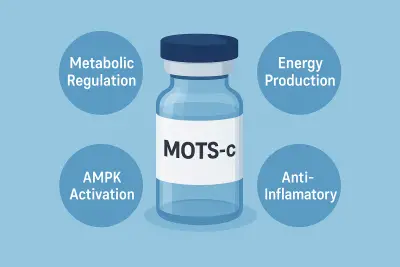
All information provided is sourced from published scientific literature and should not be considered medical advice. The research literature for each of KLOW’s four components is distinct. Instead of conducting four independent protocols, researchers can explore the combined interactions of these four well-documented peptides using a single administration model. Managing various vials (reconstitution volumes), and injection sites is typically necessary for most peptide research protocols. Our focus is on advancing the domains of clinical research and peptide synthesis methodologies. Most critically, human clinical trials would need to be conducted before any claims regarding therapeutic effectiveness could be validated.